How to Recondition a Lithium-ion Laptop Battery: Step-by-Step Guide


How to Recondition a Lithium-ion Laptop Battery: Step-by-Step Guide

How to Recondition a Lithium-ion Laptop Battery: Step-by-Step Guide

Recondition a Lithium-ion Laptop Battery: Step-by-Step Guide. Over time, laptop batteries begin to lose their ability to hold a charge. If your laptop’s battery life has noticeably shortened or dies quickly even when fully charged, you may not need to replace it right away. Instead, you can learn how to recondition a lithium-ion laptop battery to restore its performance and save money. In this guide, we’ll take you through the process step-by-step and explain what you can safely do to bring your lithium-ion battery back to life.


1. Understand How Lithium-ion Batteries Work

Before attempting to recondition a lithium-ion battery, it’s important to understand the basics of how it works. Lithium-ion batteries are different from older nickel-based batteries because they don’t suffer from memory effect. However, they are sensitive to heat, deep discharges, and overcharging. When you recondition a lithium-ion battery, you’re essentially trying to reset its charge cycles and improve chemical efficiency inside the battery cells.

Lithium-ion laptop batteries generally last for 300 to 500 full charge cycles. If your battery has surpassed that limit or has been subjected to extreme temperatures, its performance may degrade significantly. Reconditioning can help recover some of that lost capacity—but only if the cells aren’t physically damaged.


2. Back Up Data and Prepare Safely

Before working with any battery, safety comes first. Lithium-ion batteries can be volatile if punctured or overcharged. Make sure your laptop is off and disconnected from the power source. Remove the battery if it’s removable; if not, proceed with extreme caution.

Save all your data before starting this process. Reconditioning may temporarily affect battery performance or cause your system to shut down during the process. Using a static-free environment and wearing anti-static gloves is recommended to protect both you and your device.


3. Perform a Full Charge and Discharge Cycle

The first reconditioning step is to reset the battery’s calibration. This helps the battery’s internal controller accurately measure charge levels.

Start by charging the battery to 100%. Once it’s fully charged, keep it plugged in for another two hours to stabilize the voltage. Then unplug the charger and allow the laptop to run until the battery completely drains and the laptop shuts off. Leave it off for at least five hours after the shutdown.

Now, plug the charger back in and let the battery charge to 100% again without interruption. This full cycle can help recalibrate the battery’s internal circuits and improve how the system reads battery levels.


4. Cool Down the Battery

Some users have had success extending lithium-ion battery life using a controlled cooling method. After fully discharging the battery, remove it (if removable) and place it in a sealed plastic bag. Store the bag in a refrigerator—not a freezer—for 12 to 24 hours.

Cooling slows down chemical reactions and can sometimes help reset lithium plating within the cells. After refrigeration, allow the battery to return to room temperature for at least 12 hours before reinstallation. Never charge a cold battery.

Reinstall the battery and perform another full charge-discharge cycle. While this method does not work for every battery, some users report a modest improvement in capacity or battery life.


5. Use Software Calibration Tools

Most modern laptops include built-in software or BIOS tools for battery calibration. For example, Windows laptops often include battery diagnostics in the BIOS or under battery settings in the power control panel.

If your laptop doesn’t offer this feature, you can use third-party tools like BatteryCare, HWMonitor, or Smarter Battery to monitor wear levels, voltage, and charge cycles. These tools allow you to track the progress of your reconditioning efforts.

During reconditioning, track whether the battery’s full charge capacity increases after each calibration cycle. A 5–10% increase is a good sign that reconditioning is working.


6. Reduce Power Usage to Extend Lifespan

While not part of the physical reconditioning process, reducing how much power your laptop consumes can help sustain the results of reconditioning. Lower screen brightness, disable background apps, and use energy-saving modes to reduce strain on the battery.

Avoid letting your laptop overheat during use. High temperatures accelerate battery wear, so use a cooling pad and keep vents clean. Proper airflow will prevent further degradation and prolong the effectiveness of your reconditioned battery.


7. Repeat Cycles Only When Necessary

Unlike older batteries, lithium-ion batteries do not benefit from frequent full discharge cycles. In fact, regularly draining them to 0% can shorten their lifespan. After completing your reconditioning attempt, revert to good charging habits—charging between 20% and 80% for daily use.

If the battery continues to perform poorly after two full reconditioning cycles, it may be physically damaged or past its usable life. In that case, replacement may be the only long-term solution.


8. Know When Not to Recondition

Reconditioning works best on lithium-ion batteries that are worn but not damaged. If your battery is swelling, leaking, or getting unusually hot, do not attempt to recondition it. Dispose of it safely at a proper recycling center.

If your laptop has a non-removable battery and you’re not comfortable opening the device, it’s best to seek professional help. Mishandling internal lithium-ion packs can be hazardous.


9. Consider a Battery Management Utility

After reconditioning, install a reputable battery management utility to maintain health over time. Tools like BatteryBar (for Windows) or CoconutBattery (for Mac) can help you monitor temperature, charge cycles, and capacity degradation. This data helps you know when to repeat a reconditioning cycle or consider a replacement.

Setting up alerts for high temperatures or deep discharges will help you avoid future damage and extend the battery’s usable life.


10. Recycle Dead Batteries Responsibly

If your reconditioning efforts fail, don’t toss your battery in the trash. Lithium-ion batteries are considered hazardous waste and should be recycled properly. Most electronics retailers, repair shops, and recycling centers offer free battery recycling.

Recycling reduces environmental harm and ensures that the valuable materials inside the battery are reused. If you purchase a new battery, the manufacturer or retailer may even offer a trade-in program for your old one.


Learn how to bring any battery back to life again


Recondition a Lithium-ion Laptop Battery Final Thoughts

Knowing how to recondition a lithium-ion laptop battery can save you money and extend the life of your device. While reconditioning won’t make an old battery brand new, it can restore a significant portion of its capacity if done correctly and safely.

With careful calibration, cooling techniques, and power management, you can give your battery a second life without immediately turning to costly replacements. Just remember to follow safety guidelines and always monitor your results closely.

Reconditioning is an eco-friendly alternative to replacement—and when done correctly, it’s a powerful way to get more value out of your laptop.

Car Battery Recycling Laws in the UK: A Complete Guide


Car Battery Recycling Laws in the UK: What You Need to Know

Car Battery Recycling Laws in the UK.  Car batteries are essential for vehicle operation, but they also contain hazardous materials like lead and sulfuric acid that can be extremely damaging to the environment if not disposed of properly. That’s why the UK has strict car battery recycling laws in place—to protect the public, reduce waste, and ensure hazardous materials are handled safely.

In this guide, we’ll explain UK car battery recycling laws, how they apply to individuals and businesses, and what you need to do to comply. Whether you’re a driver, mechanic, or garage owner, understanding these rules can help you stay legal and eco-conscious.


Learn how to bring any battery back to life again


Why Car Battery Recycling Matters

Car batteries—especially lead-acid types—are among the most recycled consumer products in the UK. However, when improperly disposed of, they can leak toxic chemicals into soil and water supplies. Each battery can contain:

  • 10–12 kg of lead

  • 2–3 litres of sulfuric acid

  • Plastic casing and other metals

Because of this, UK law treats vehicle batteries as hazardous waste. Recycling them properly helps:

  • Prevent soil and water contamination

  • Recover valuable materials like lead

  • Reduce demand for mining new resources

  • Comply with legal waste regulations


Key UK Legislation on Battery Recycling

The most relevant laws regarding car battery recycling in the UK are:

1. The Waste Batteries and Accumulators Regulations 2009

This legislation sets out the legal framework for the collection, treatment, recycling, and disposal of all types of batteries—including automotive.

Key obligations:

  • Producers of batteries must register with the Environment Agency.

  • Retailers selling over 32kg of batteries per year must offer free in-store collection.

  • All collected batteries must be treated at approved facilities.

2. The Waste Electrical and Electronic Equipment (WEEE) Regulations 2013

Although primarily aimed at electrical goods, these regulations intersect with battery disposal, particularly when batteries are embedded in WEEE products.

3. The Hazardous Waste Regulations 2005

This law governs how hazardous waste—like lead-acid car batteries—must be handled, stored, and transported in the UK.

Requirements include:

  • Proper labelling and containment

  • Use of authorised waste carriers

  • Documentation like a consignment note when moving batteries

4. Environmental Protection Act 1990

This general legislation makes it a criminal offence to improperly dispose of hazardous waste, including car batteries. It allows for penalties such as fines or even imprisonment for severe breaches.


Car Battery Recycling Rules for Individuals

If you’re a private vehicle owner, you don’t need a licence to dispose of a car battery, but you do have a legal responsibility to ensure it’s handled safely.

Your responsibilities include:

  1. Do not throw batteries in household bins or landfill.
    It’s illegal and harmful to the environment.

  2. Take your battery to an authorised recycling facility or garage.
    Most councils offer designated collection points at recycling centres.

  3. Retailers must accept old batteries.
    If you buy a new car battery, the seller is legally required to accept your old one for free recycling, provided they sell more than 32 kg of batteries annually (about 4–5 car batteries).

  4. Never attempt to dismantle a battery yourself.
    Handling lead or acid without proper training can be dangerous and illegal.


Car Battery Recycling Laws in the UK Car Battery Recycling Rules for Businesses

If you operate a garage, dealership, scrapyard, or repair shop, your obligations are more complex under UK car battery recycling laws.

1. Register as a Battery Producer (if applicable)

If you import or manufacture more than 1 tonne of batteries per year, you must:

  • Register with the Environment Agency

  • Join a Battery Compliance Scheme (BCS) to ensure batteries are recycled correctly

2. Store batteries safely

Under the Hazardous Waste Regulations, you must:

  • Keep batteries in a leak-proof container

  • Store in a cool, dry, ventilated space

  • Label storage clearly (e.g., “Hazardous Waste – Lead-Acid Batteries”)

  • Limit how long batteries are stored (typically no more than 12 months)

3. Use authorised waste carriers

You can’t just toss batteries into general waste bins or send them off with regular rubbish collectors. Only companies with a valid waste carrier licence can legally transport hazardous battery waste.

4. Keep records and consignment notes

Whenever hazardous waste (like car batteries) is collected or moved, a consignment note must be completed and retained for at least three years. This helps the Environment Agency track hazardous materials.


Where to Recycle Car Batteries in the UK

There are many legal and convenient places across the UK where you can drop off used or reconditioned car batteries, including:

  • Household Waste Recycling Centres (HWRCs): Run by your local council

  • Auto repair garages: Many accept batteries even if you didn’t buy one there

  • Battery retailers: Required to accept old batteries upon sale of a new one

  • Scrap metal yards: Must be licensed and follow hazardous waste protocols

  • Charity collection schemes: Some local initiatives collect batteries for fundraising

Use the Recycle Now website to locate the nearest facility.


Penalties for Non-Compliance

Failure to comply with UK battery recycling laws can result in serious penalties. Businesses and individuals caught fly-tipping, storing batteries illegally, or using unregistered waste carriers may face:

  • Fines of up to £5,000 (or unlimited for businesses)

  • Criminal prosecution

  • Imprisonment in severe cases

  • Loss of operating licences for garages and dealerships

Regular audits and inspections by the Environment Agency mean it’s not worth the risk.


Environmental Impact of Proper Recycling

Properly recycling your car battery doesn’t just keep you legal—it’s also one of the easiest ways to reduce your environmental footprint.

Recycling helps:

  • Recover up to 95% of the lead for reuse in new batteries

  • Prevent acid contamination in waterways

  • Reduce carbon emissions by avoiding the need to mine new metals

  • Keep harmful materials out of landfills


Final Thoughts

Car battery recycling laws in the UK are comprehensive for good reason. These heavy-duty batteries can pose serious health and environmental risks if not disposed of correctly. Whether you’re a vehicle owner replacing a single battery or a business managing dozens every week, following the law is essential.

By using authorised recycling centres, partnering with certified waste carriers, and following safe storage procedures, you’ll not only remain compliant—but also contribute to a cleaner, more sustainable environment.

How to Store a Reconditioned Car Battery


How to Store a Reconditioned Car Battery: A Complete Guide

store reconditioned car battery

How to Store a Reconditioned Car Battery. Reconditioning a car battery is a smart way to save money, extend its lifespan, and reduce waste. But once your battery is reconditioned, proper storage becomes just as important as the reconditioning process itself. Without the right care, a reconditioned battery can lose its charge, degrade internally, or become a safety hazard.

How to Store a Reconditioned Car Battery.  Whether you’re storing a battery for winter, keeping a spare for emergencies, or preserving one for your seasonal vehicle, this guide explains everything you need to know about how to store a reconditioned car battery correctly.


Why Proper Battery Storage Matters

A car battery that’s been reconditioned has already undergone chemical recovery and internal DE sulfation. However, these batteries remain sensitive to environmental conditions such as:

  • Temperature extremes

  • Humidity

  • Discharge over time

If stored incorrectly, even a fully reconditioned battery can deteriorate within weeks. Improper storage can lead to:

  • Internal corrosion

  • Permanent sulfation

  • Low voltage

  • Cracked casings (due to freezing or overcharging)

To protect your investment and get the best performance out of your reconditioned battery, it’s essential to store it under the right conditions.


Step 1: Fully Charge the Battery Before Storage

The most important first step is to charge your battery completely before putting it into storage. A partially charged battery will naturally discharge over time, especially in cold or damp environments.

Use a smart charger or a battery maintainer that ensures full charging without overcharging. Ideally, the battery voltage should read:

  • 12.6 to 12.8 volts for a fully charged 12V lead-acid battery

If the battery is not fully charged before storage, sulfation can quickly set in again—even after reconditioning.


Step 2: Clean the Battery Terminals and Case

Before storage, clean the battery thoroughly:

  • Remove any dirt, corrosion, or acid residue from the terminals using a mix of baking soda and water.

  • Use a wire brush or terminal cleaner to scrub oxidation off.

  • Dry the entire battery with a clean cloth to prevent moisture buildup.

Corroded terminals can drain voltage over time, even in storage. A clean, dry battery is far more stable and ready for future use.


Step 3: Store in a Cool, Dry, and Well-Ventilated Location

Temperature is critical to battery health. Car batteries should be stored in a cool (but not freezing), dry, and well-ventilated environment.

How to Store a Reconditioned Car Battery Ideal Storage Conditions:

  • Temperature Range: 10°C to 25°C (50°F to 77°F)

  • Avoid: Direct sunlight, freezing temperatures, or high humidity

  • Ventilation: Lead-acid batteries can release small amounts of hydrogen gas. Proper airflow reduces any risk of pressure buildup or fire.

Common storage locations include:

  • Basement shelves

  • Garage workbenches (away from heat sources)

  • Climate-controlled storage units

Never store a battery directly on concrete floors, as the cold can sap voltage and encourage condensation. Always place it on a wooden board, rubber mat, or battery tray.


Step 4: Disconnect or Remove Any Load

If you plan to keep the battery connected to a device—like a trickle charger or vehicle—it’s important to disconnect any unnecessary loads.

For batteries stored on a shelf:

  • Remove any jumper cables, inverters, or connected devices.

  • Disconnect both positive and negative terminals.

For batteries left in vehicles (such as in long-term RV storage):

  • Disconnect the negative terminal at minimum.

  • Consider using a battery disconnect switch.

Unwanted loads can slowly drain the battery and undo your reconditioning efforts.


Step 5: Use a Battery Maintainer (Optional but Recommended)

A battery maintainer or float charger keeps the battery topped off during long-term storage. These devices deliver a tiny amount of current when needed and automatically stop charging when full.

Benefits of a maintainer:

  • Prevents self-discharge

  • Reduces the risk of sulfation

  • Maintains optimal voltage

Smart maintainers are ideal for reconditioned batteries because they provide ongoing care without damaging the plates. You can safely leave one connected for months at a time.


Step 6: Monitor Voltage Monthly

Even in storage, it’s a good idea to check the battery’s voltage once a month using a multimeter.

Healthy Battery Voltage:

  • Fully charged: 12.6 – 12.8V

  • Recharge if it drops below: 12.4V

If you notice voltage dropping consistently, recharge the battery to prevent sulfation. This simple maintenance step ensures your reconditioned battery remains ready to use when you need it.


Step 7: Label and Date the Battery

Always mark your reconditioned battery with:

  • The date it was reconditioned

  • The last voltage reading

  • Any maintenance actions taken (e.g., charging)

This helps you track performance over time and quickly identify batteries that may need replacement or additional conditioning.

If you’re storing multiple batteries—especially for fleet vehicles or seasonal equipment—keeping a logbook can help avoid confusion and ensure proper rotation.


Safety Tips for Battery Storage

To ensure long-term safety, follow these precautions when storing a reconditioned battery:

  • Keep away from open flames or sparks: Batteries can vent hydrogen gas, which is flammable.

  • Avoid stacking batteries: Store them individually to prevent tipping or damage.

  • Keep out of reach of children and pets

  • Use protective gloves when handling to avoid acid exposure

  • Inspect for damage monthly: Check for cracks, bulges, or leaks

If you notice any signs of deterioration, it’s best to recycle the battery rather than continue storing it.


How to Store a Reconditioned Car Battery  Final Thoughts

Reconditioning a battery is only half the equation—proper storage is the key to preserving that reconditioned life. By keeping your battery fully charged, clean, and in a temperature-controlled environment, you can extend its lifespan by months or even years.

Whether you’re a DIY enthusiast with extra batteries on hand, or simply want to keep your seasonal vehicle ready to go, following these storage tips will protect your investment and reduce the need for costly replacements.

With the right care, a reconditioned battery can be just as reliable as a new one—if not better for your wallet and the environment.

Reconditioning vs. Jump Starting: What’s the Difference and When to Use Each?


Reconditioning vs. Jump Starting: What’s the Difference and When to Use Each?

Reconditioning vs. Jump Starting

Reconditioning vs. Jump Starting.  If you’ve ever been stuck with a dead car battery, your first instinct might be to grab the jumper cables. But jump starting isn’t always the best—or most permanent—solution. In fact, there’s another method that’s gaining popularity: battery reconditioning. Both approaches are useful in different situations, but knowing when to use one over the other can save you time, money, and headaches.

In this article, we’ll break down the difference between reconditioning and jump starting, explain how each works, and help you decide which method is best for your battery issues.


What Is Jump Starting?

Jump starting is a quick and temporary solution used to start a vehicle with a dead battery by connecting it to another power source—usually another vehicle or a portable jump starter. The live battery supplies the power necessary to start the engine, giving your alternator a chance to recharge the battery once the car is running.

How Jump Starting Works:

  1. Jumper cables or a jump starter are connected to your dead battery and a live one.

  2. The live battery supplies enough current to start your engine.

  3. Once running, your alternator charges your battery again—assuming it’s still in good condition.

Pros of Jump Starting:

  • Fast and convenient

  • Requires minimal tools

  • Good for emergencies

  • Gets your car running immediately

Cons of Jump Starting:

  • Only a temporary fix

  • Doesn’t address the root cause of battery failure

  • Can be unsafe if not done correctly

  • Repeated jumps can damage electrical components

Jump starting is best used when your battery is drained due to lights being left on, cold weather, or sitting idle for too long—but not when the battery is damaged or severely degraded.


What Is Battery Reconditioning?

Battery reconditioning is a restorative process that aims to revive a weak or sulfated lead-acid battery so it can hold a proper charge again. Over time, car batteries lose capacity due to sulfation—a buildup of lead sulfate crystals that block the chemical reactions inside the battery.

A reconditioning charger uses controlled voltage pulses or desulfation technology to break down those crystals and restore battery performance. It’s not a quick fix like a jump start, but it can add months or even years to the battery’s life.

How Reconditioning Works:

  1. A smart charger analyzes the battery’s condition.

  2. If sulfation is detected, it enters a repair or reconditioning mode.

  3. High-frequency pulses or controlled voltage cycles reduce crystal buildup.

  4. The battery is then gradually recharged to full capacity.

Pros of Reconditioning:

  • Restores capacity in weak batteries

  • Saves money by avoiding early replacement

  • Eco-friendly (less battery waste)

  • Works automatically with smart chargers

Cons of Reconditioning:

  • Takes hours or days depending on battery condition

  • Doesn’t work on completely dead or physically damaged batteries

  • Requires a dedicated smart charger

Battery reconditioning is ideal if your battery is still intact but showing signs of aging, slow cranking, or weak voltage—even after charging.


Key Differences Between Reconditioning and Jump Starting

Feature Jump Starting Battery Reconditioning
Purpose Start car temporarily Restore long-term battery health
Time Required Minutes Several hours or longer
Tools Needed Jumper cables / Jump box Smart reconditioning charger
Effect on Battery No improvement in battery health Can improve or extend battery life
When to Use Emergency starting only Routine maintenance or weak batteries
Battery Condition Needed Mostly dead but intact Sulfated or aging but not physically damaged

In simple terms, jump starting is for emergencies, while reconditioning is for restoration and maintenance.


Reconditioning vs. Jump Starting        When to Jump Start vs. Recondition

Understanding when to use each method can prevent further battery damage and help you get the best life out of your car battery.

Use Jump Starting When:

  • The battery died recently (e.g., you left headlights on overnight).

  • You’re stranded and need an immediate solution.

  • The battery was working fine days earlier.

  • You plan to drive immediately and let the alternator recharge the battery.

However, if your car keeps needing jump starts repeatedly, it’s a strong sign the battery can no longer hold a charge—and you should consider reconditioning or replacement.

Use Reconditioning When:

  • The battery is over 2–3 years old and showing signs of weakness.

  • Your multimeter shows low voltage (under 12.4V) even after charging.

  • The engine cranks slowly or electronics seem underpowered.

  • You want to avoid early battery replacement and save money.

Reconditioning is not suitable if the battery has physical damage, leaks, or a swollen case. In that case, recycling and replacing the battery is the safest option.


Learn how to bring any battery back to life again


Can You Combine Both?

In some cases, you may use both jump starting and reconditioning to revive a battery.

For example:

  1. Jump start a dead battery to get the car running.

  2. Drive for 30+ minutes to recharge it slightly.

  3. Use a smart reconditioning charger overnight to restore health.

This approach works well when the battery is weak but not completely dead, and you want to make it reliable again for everyday use.


Why Battery Health Matters

A failing battery doesn’t just make starting your car difficult. It can lead to:

  • Inconsistent engine performance

  • Damaged alternator from overwork

  • Poor fuel efficiency

  • Electrical issues and warning lights

By understanding the difference between reconditioning and jump starting, and using the right approach at the right time, you can avoid these problems and extend your battery’s lifespan by months or even years.


Final Thoughts

Jump starting and reconditioning serve very different purposes in car battery care. Jump starting is a quick fix, while reconditioning is a long-term solution aimed at battery restoration. If your battery is weak, don’t just rely on repeated jump starts—that’s only masking the real issue. Instead, invest in a smart reconditioning charger and take a proactive approach to battery maintenance.

Not only will this save you money, but it will also reduce stress and increase your car’s reliability—especially during cold mornings or long road trips.

Best Chargers for Reconditioning Car Batteries: Top Picks for 2025


Best Chargers for Reconditioning Car Batteries: Top Picks for 2025

Discover the best chargers for reconditioning car batteries. Learn which smart chargers revive dead batteries, prevent sulfation, and extend battery life. When your car battery starts showing signs of failure, most people assume it’s time to replace it. But with the right charger, you can often bring a dead or weakened battery back to life. Battery reconditioning is a smart, cost-effective way to extend the life of your lead-acid battery, and having the right charger for the job makes all the difference.

In this guide, we’ll walk you through the best chargers for reconditioning car batteries, how they work, and what features to look for. Whether you’re a DIY enthusiast or just want to save money on battery replacements, this article will help you choose the ideal charger to revive and maintain your battery.


What Is a Battery Reconditioning Charger?

A battery reconditioning charger, sometimes called a smart charger or desulfator charger, goes beyond just charging a battery. It uses microprocessor-controlled technology to detect battery health, apply the correct charging stages, and often includes a desulfation mode. This feature helps break down the lead sulfate crystals that form on the battery plates, restoring the battery’s ability to hold a charge.

Standard chargers simply pump current into the battery without regard for condition or chemistry. Reconditioning chargers monitor the voltage, temperature, and state of charge to extend battery life and even reverse damage in some cases.


Why You Need the Right Charger for Reconditioning

Not all chargers are suitable for reconditioning. In fact, using the wrong type of charger can overheat or permanently damage your battery. Reconditioning chargers are designed to:

  • Prevent overcharging through smart monitoring

  • Use pulsed or staged charging to remove sulfation

  • Automatically switch modes from bulk to trickle to maintain charge

  • Work with a range of battery types including AGM, gel, and flooded lead-acid

Choosing a high-quality charger means you can safely restore your battery multiple times, saving hundreds of dollars over the life of your vehicle.


Top 5 Best Chargers for Reconditioning Car Batteries (2025)

Let’s take a closer look at the top-performing chargers on the market this year, based on features, reliability, ease of use, and value.


1. NOCO Genius10 – Best Overall Reconditioning Charger

NOCO Genius10 – Best Overall Reconditioning Charger


Amperage: 10A
Battery Types: AGM, lead-acid, lithium, gel
Price: $$$

The NOCO Genius10 is one of the most advanced battery chargers for both professionals and casual users. It features automatic desulfation, thermal compensation, and battery repair mode, making it ideal for reconditioning older or sulfated batteries. Its sleek design, built-in safety features, and ability to charge nearly any 6V or 12V battery make it a favorite across the automotive industry.

Why It Stands Out:

  • Precision charging with dynamic monitoring

  • Fully automatic repair mode for battery rejuvenation

  • Compact and rugged for long-term use

Best For: DIY users and professionals who want a reliable, multi-purpose charger that excels at battery recovery.


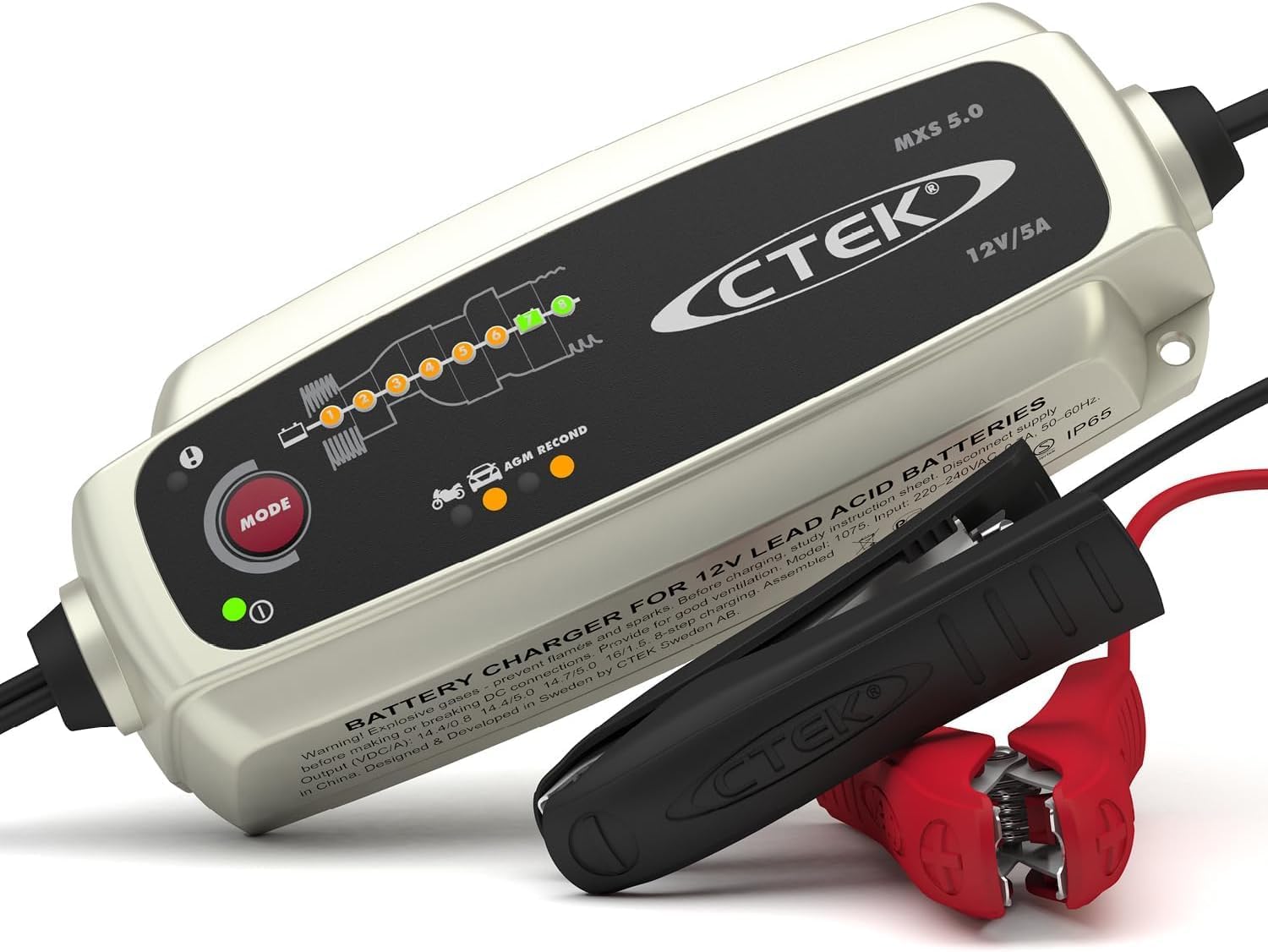
2. CTEK MXS 5.0 – Best for Smart Charging and Reconditioning

CTEK MXS 5.0
CTEK MXS 5.0

Voltage: 12V
Amperage: 4.3A
Battery Types: Lead-acid, AGM, EFB, MF, gel
Price: $$$

The CTEK MXS 5.0 is another top-rated smart charger known for its patented 8-step charging process. It includes a recondition mode, designed to restore deeply discharged batteries. The charger is easy to use and very safe, offering reverse polarity protection, spark-proof technology, and automatic temperature compensation.

Why It Stands Out:

  • Industry-leading multi-stage charging

  • Battery desulfation and reconditioning built-in

  • Trusted by luxury auto manufacturers

Best For: Car owners who need safe, hands-off charging and maintenance with minimal user intervention.


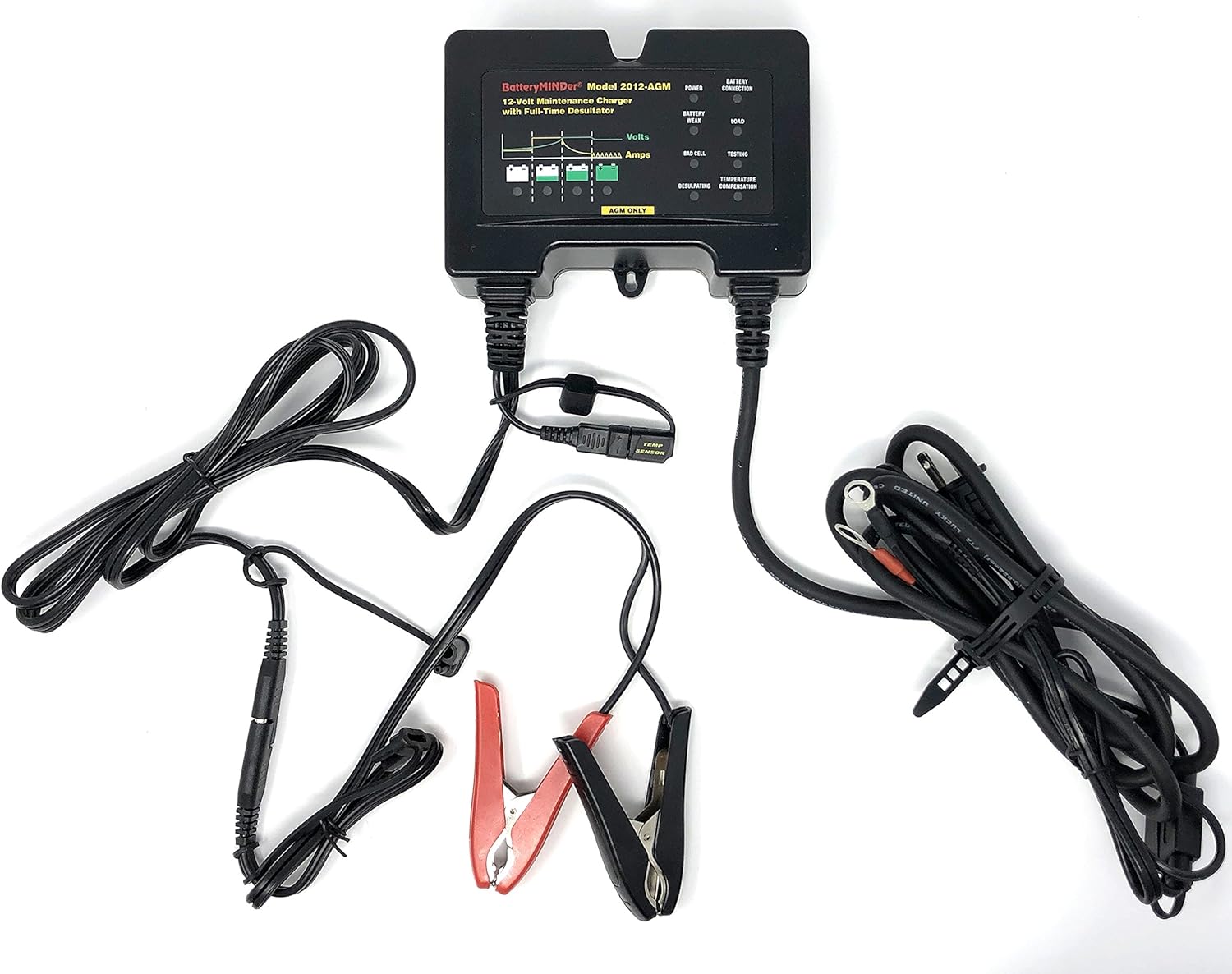
3. BatteryMINDer Model 2012 – Best for Long-Term Reconditioning

BatteryMINDer
BatteryMINDer

Voltage: 12V
Amperage: 2A
Battery Types: Flooded, sealed, AGM
Price: $$

BatteryMINDer is a favorite among long-time battery maintenance professionals. It offers a pulse desulfation mode, temperature compensation, and full-time monitoring. While it charges slower due to lower amperage, it’s one of the best chargers for gradual restoration and maintenance.

Why It Stands Out:

  • Unique high-frequency pulse technology

  • Ideal for long-term battery storage and reconditioning

  • Excellent customer support and 5-year warranty

Best For: Users storing batteries for RVs, boats, or seasonal vehicles who want to slowly restore and maintain them over time.


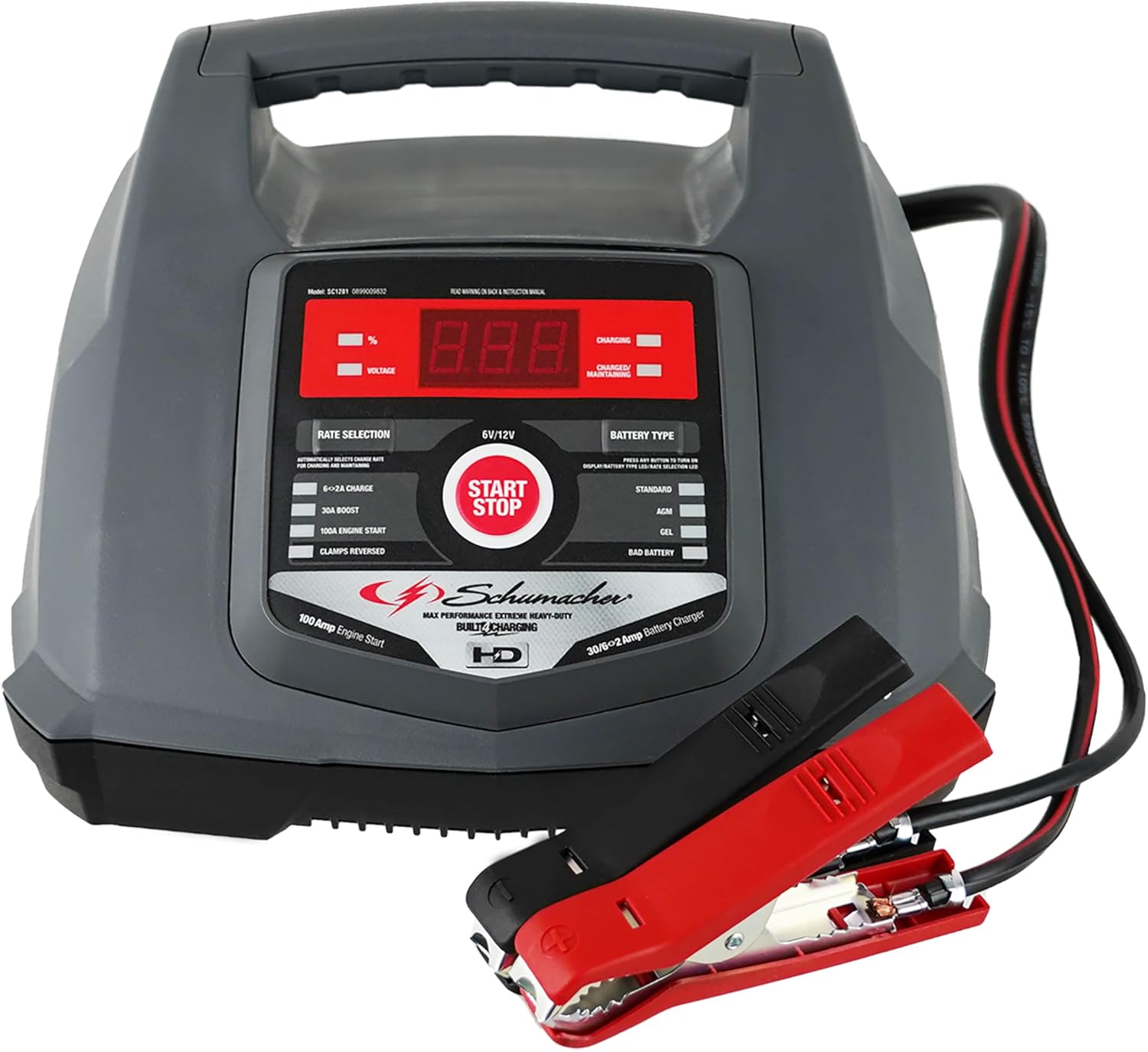
4. Schumacher SC1281 – Best Budget High-Power Charger

Voltage: 6V/12V
Amperage: 100A jump start / 30A boost / 6A charge
Battery Types: Standard, AGM, deep-cycle
Price: $$

Schumacher is a trusted name in battery charging, and the SC1281 offers high power and versatility at an affordable price. While it’s not as advanced in reconditioning features as NOCO or CTEK, it still includes alternator testing, auto-voltage detection, and multi-stage charging, making it a solid budget option.

Why It Stands Out:

  • High amp output for faster charging

  • Can jump-start a dead battery in minutes

  • Suitable for large car and truck batteries

Best For: DIY users who want a versatile charger with decent battery recovery features without breaking the bank.


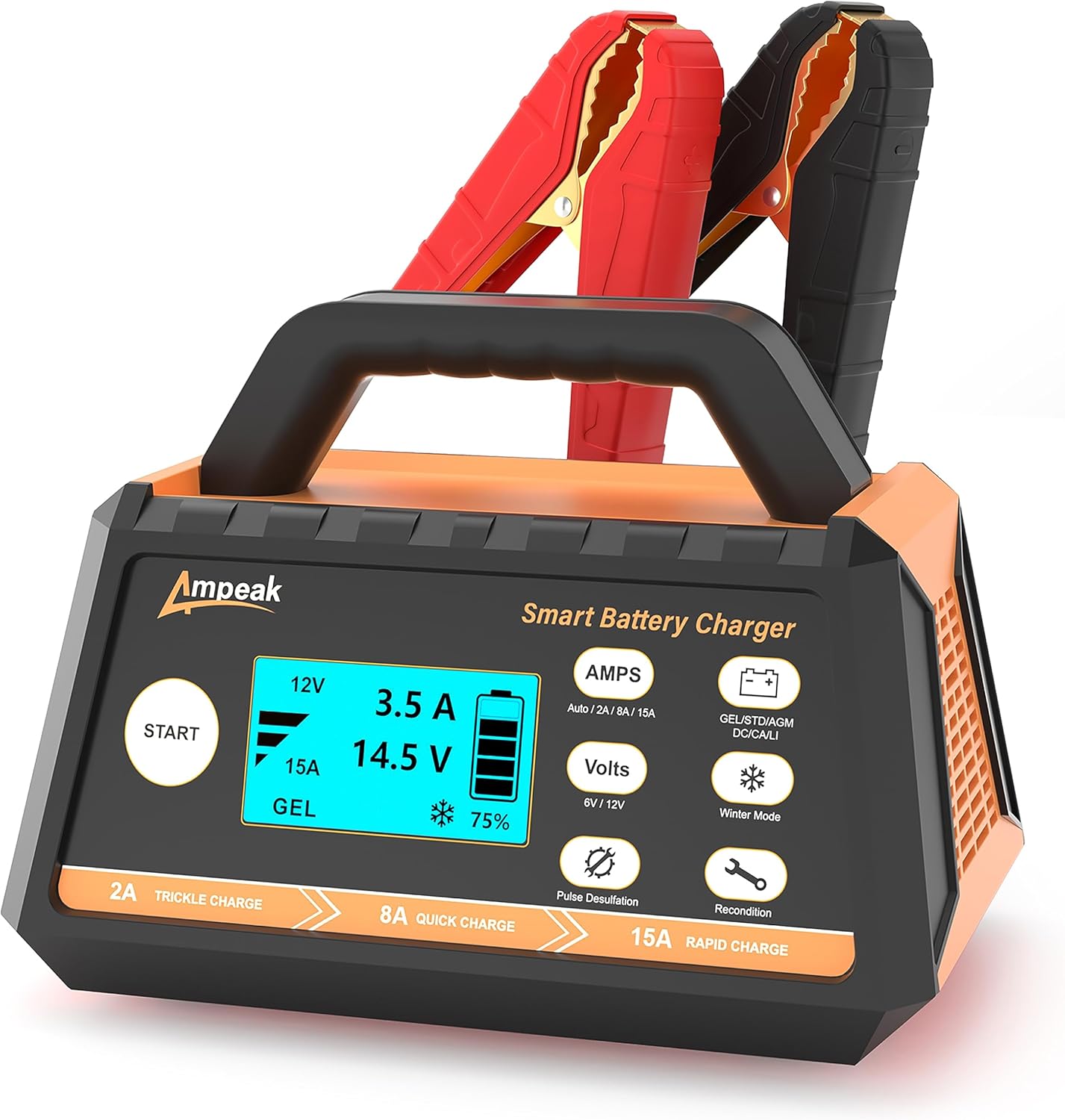
5. Ampeak Smart Battery Charger – Best Entry-Level Reconditioner

Ampeak Smart Battery Charger

Voltage: 12V

Amperage: 2/8/15A
Battery Types: Lead-acid, AGM
Price: $

If you’re looking for an easy-to-use and affordable battery charger with reconditioning capabilities, the Ampeak Smart Charger is a solid option. It offers an automatic repair function, digital display, and multi-stage charging—all at a wallet-friendly price.

Why It Stands Out:

  • Excellent value for beginners

  • Automatic voltage detection and charge control

  • Repair mode for old batteries

Best For: New users and budget-conscious car owners who want a simple but effective way to revive their batteries.


Features to Look for in a Reconditioning Battery Charger

When shopping for the best charger to recondition car batteries, keep these features in mind:

  1. Desulfation/Recondition Mode – Removes sulfate buildup from battery plates.

  2. Microprocessor-Controlled Charging – Adjusts the charging process based on battery condition.

  3. Multi-Stage Charging – Moves from bulk charge to absorption and float automatically.

  4. Battery Compatibility – Supports AGM, gel, and flooded batteries.

  5. Thermal Compensation – Adjusts output based on temperature to prevent overheating.

  6. Safety Features – Includes reverse polarity protection, short-circuit protection, and spark resistance.

  7. Display Panel – Shows voltage, status, and alerts in real time.

These features ensure your battery is charged safely and effectively while extending its overall lifespan.


Final Thoughts: Choosing the Best Charger for Reconditioning

Whether you’re trying to revive a weak battery or want to maintain your current one, investing in a quality battery reconditioning charger can save you time, money, and frustration. Models like the NOCO Genius10 and CTEK MXS 5.0 are excellent long-term solutions, while budget-friendly options like the Ampeak Smart Charger give you the basics without compromising safety.

If you’re serious about battery health, combine reconditioning with good maintenance habits—like regular voltage checks, terminal cleaning, and avoiding short trips—to keep your battery working like new.